

Additional Training Materials
Not able to make it to class?
Need some help while practicing at home?
No problem! Use the links below to access rank specific training aides.
Note: these materials are not meant to replace in class training with an instructor. Your instructor is always the best source for instruction and training.

10th Gup White Belt
White Belt is not a symbol of emptiness, but of limitless potential. It is the blank canvas upon which discipline, confidence, and understanding will be written.
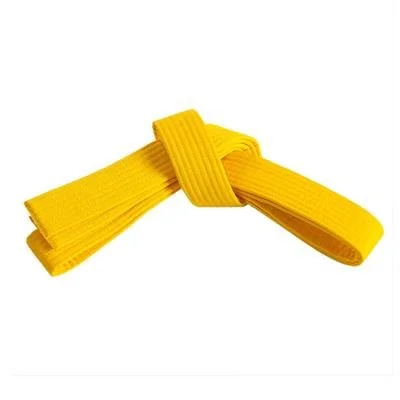
9th Gup Yellow Belt
If White Belt is the dawn, Yellow Belt is the moment the sun begins to climb, illuminating the path with greater clarity.
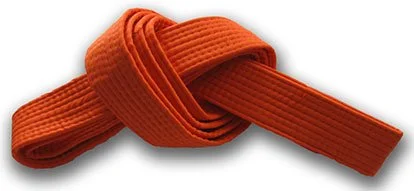
8th Gup Orange Belt
If White Belt is the dawn and Yellow Belt is the rise, Orange Belt is the opening — the first true expansion of awareness, skill, and confidence.
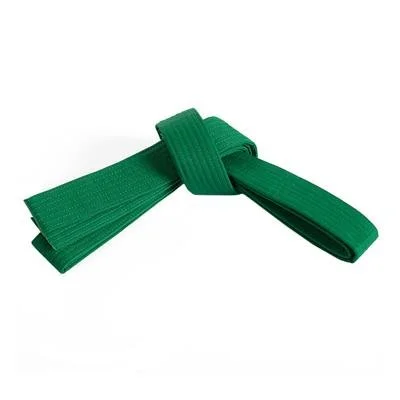
7th Gup Green Belt
Green Belt marks the transition from the exploratory nature of the beginner ranks into the grounded strength of the intermediate stage.
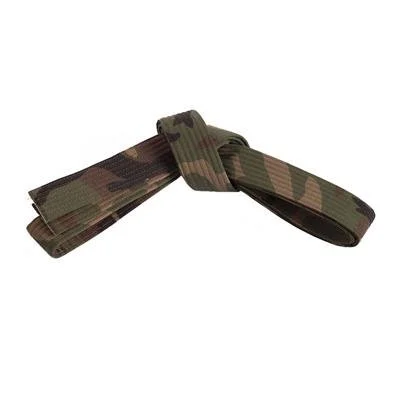
6th Gup Camouflage Belt
At Camouflage Belt, the student’s training begins to show depth: their movements become sharper, their balance steadier, and their confidence more grounded.
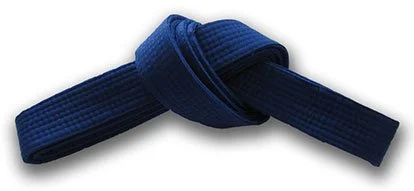
5th Gup Blue Belt
At Blue Belt, the student’s training begins to expand beyond grounded strength into fluidity, height, and expressive movement.
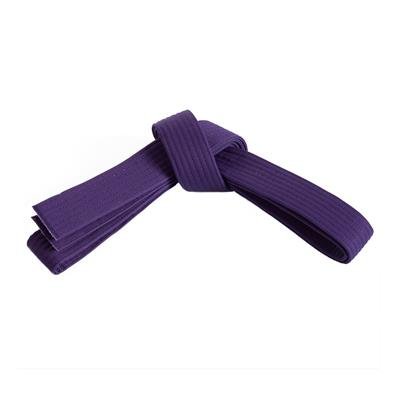
4th Gup Purple Belt
Purple Belt marks the beginning of the Advanced Stage, where the student’s training shifts from physical development to deeper mental and emotional refinement.
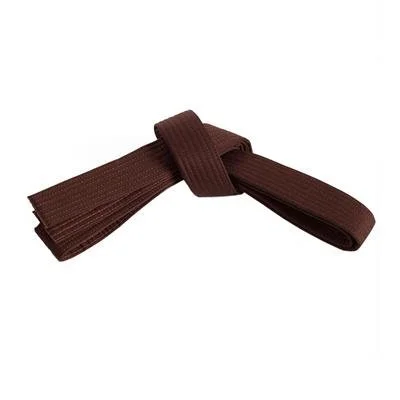
3rd Gup Brown Belt
Brown Belt marks the stage where the martial artist’s spirit becomes steady, resilient, and deeply rooted in discipline.
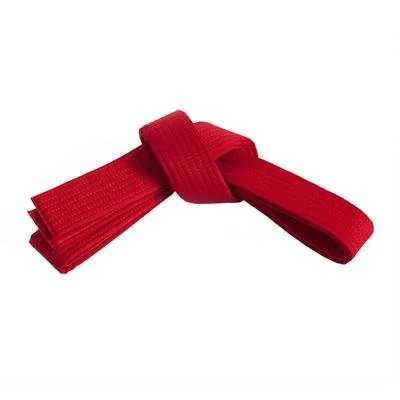
2nd Gup Red Belt
Red Belt marks the final stage before the student enters the ranks of dan-level practitioners. It is a time of intensity, responsibility, and transformation.
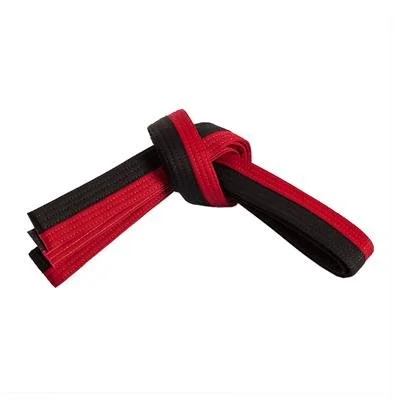
1st Gup Red/Black Belt
(Black Belt Candidate)
The 1st Gup rank, represented by the Red/Black Belt, is a transitional stage between the colored belt curriculum and the Black Belt journey. It is not a rank of completion, but of preparation — a time when the student begins to embody the responsibilities, maturity, and depth expected of a future Black Belt.
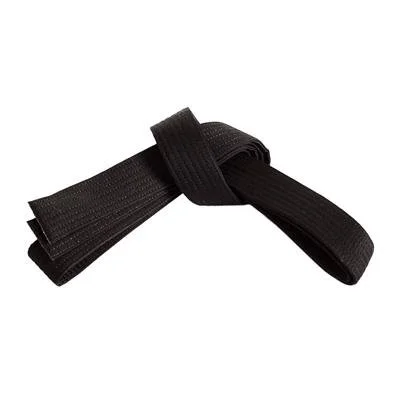
Black Belt (Dan) Ranks
Black is the combination of all previous colors. The final stage, where technique is mastered within the humble and serene beauty of the student.
At this stage students begin to uncover a deeper understanding of the material they have covered previously, while pushing themselves to higher physical limits than they would have thought possible at the beginning of their training.
First Dan - First Degree Black Belt
At 1st Degree, the student stands at the beginning of true understanding. They have climbed through every stage of color belt training, and now they return to the foundation with new eyes.
Second Dan - Second Degree Black Belt
At 2nd Degree Black Belt, the practitioner is no longer learning the path — they are refining it, shaping it, and walking it with maturity.
Third Dan - Third Degree Black Belt
At 3rd Degree Black Belt, the student bridges grounded strength with rising aspiration, focusing on balance, adaptability, and courage.
Fourth Dan - Fourth Degree Black Belt
At 4th Degree Black Belt, the practitioner stands at the threshold of mastery, where technique, philosophy, and spirit merge into a unified whole.
Fifth Dan - Fifth Degree Black Belt
At 5th Degree, the practitioner stands at the horizon of mastery, where knowledge, experience, and insight merge into a single, enduring truth.
Sixth Dan and Above
The ranks from 6th Degree to 9th Degree Black Belt represent the highest levels of mastery, leadership, and contribution to the martial arts community. These ranks go beyond curriculum proficiency and reflect a practitioner’s ability to integrate knowledge from multiple disciplines, demonstrate advanced skill under pressure, and guide others with wisdom and humility.